Force Feeding the Legacy Media Beast
Why readers are rejecting mainstream media’s addiction to sensationalism
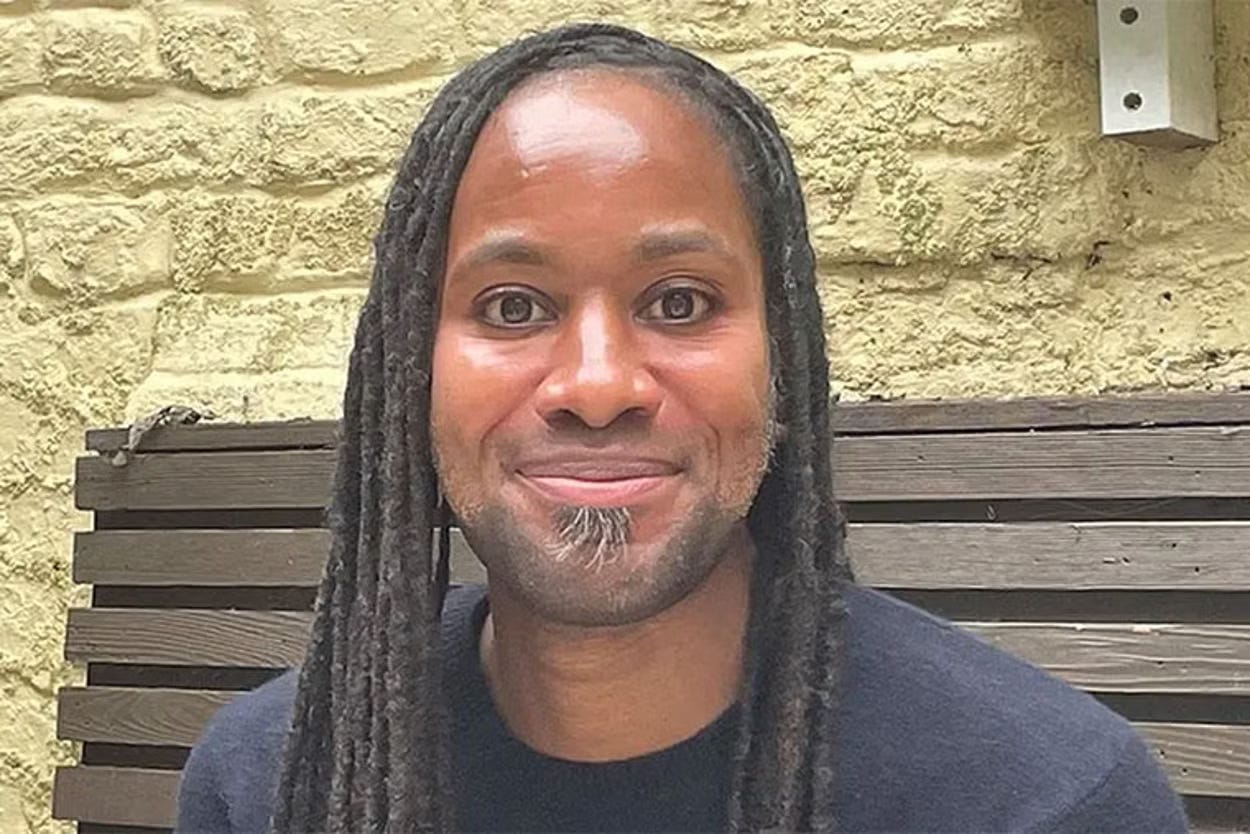
The death of Jason Arday, the former Cambridge professor at the center of plagiarism-induced media firestorm, has everyone talking. And it’s all the usual stuff. Arday was the youngest black professor in the history of Cambridge University, so every story in right-wing media was about DEI and how Arday’s academic fraud is somehow evidence that anyone hiring black people anywhere should stop. And on the left, every story was about institutional racism and how one system or another failed to treat Arday fairly.
The reality is, both narratives contain at least some truth, and both narratives are also massively, perhaps even criminally incomplete. And while Arday was certainly a fraud in a variety of ways, had he defrauded a less prominent university, and had he not been black, he’d probably still be alive. But since he checked all the sensationalist boxes on both the right and the left, his value as clickbait ballooned into an international story that could only end in tragedy.
Now, there were also stories by serious journalists who attempted, or seemed to attempt to capture the truth behind the sensationalism, but there weren’t many, and even these leaned heavily to one side or the other of the right/left ping pong table we now call journalism. Everyone, right, left, and center had a beast to feed, and feed it they did. Now the man at the center of the story is dead, and none of the entities mentioned above will ever admit their role in his death.
And while I am a huge advocate for independent media, and will remain so, it’s important to point out that while the best sources of information on this story are independent ones, many independent media folks and influencers of all kinds followed corporate media right into the right/left rabbit hole. After all, independent media wants to grow just like corporate media does, and feeding the beast is the fastest way to do that. So it appears the growing pains in independent media seem to surround the oldest of capitalistic dilemmas: What ethical price are we willing to pay to survive?

It’s the same question working-class folks face almost every day as many of us navigate inherently immoral workplaces in order to pay our mortgages. We cut corners to hit quotas. We stay quiet about injustices because we can’t afford to lose our healthcare. We endure harassment out of fear of termination, etc. Every working person has stories about times when they had to choose survival over justice, or at least most of us do. And journalists are no different. They know which stories will advance their careers, and they know what lens their audiences want those stories to be seen through, so the easiest path for all becomes simply telling us what we want to hear. And while that is certainly survival, it falls well short of journalism.
This tilt toward sensationalism is nothing new, but these days, it appears to be accelerating. Mainstream media is failing, and independent media is rising, but the rise is happening with few rules and fewer credible sources. And while the best sources for information are independent, the worst sources exist there as well, forcing readers to navigate an informational Wild West of sorts, one that has 100 outlaws for every hero.
The Jason Arday story is, at its core, a complex but preventable tragedy that will certainly be blamed on all the wrong things by all the wrong people because complexity, once a thing we reached for, has somehow become a vice. It’s what an old episode of The West Wing once called “reaching for the McNuggets.” We no longer present our audiences with an entire story. Instead, we give them what they want, a little snack that makes them feel how we want them to feel but offers little in the way of substance. Then we ask them for money. That’s the transaction in far too many media environments.
Jason Arday was fed to us like bad fast food, and we ate without asking what’s really going on in the kitchen.
Brett Pransky is a writer, a teacher, a father, and a husband, but rarely in that order. He spends his days amplifying the voices of freedom and democracy as an Editor right here at The Political Voices Network, and he spends his nights trying to fix the world one clever sentence at a time.


