Delaying Us to Death
How health insurance companies make their money

I have cancer. This is the first time I’ve mentioned it to anyone who isn’t a part of my inner circle.
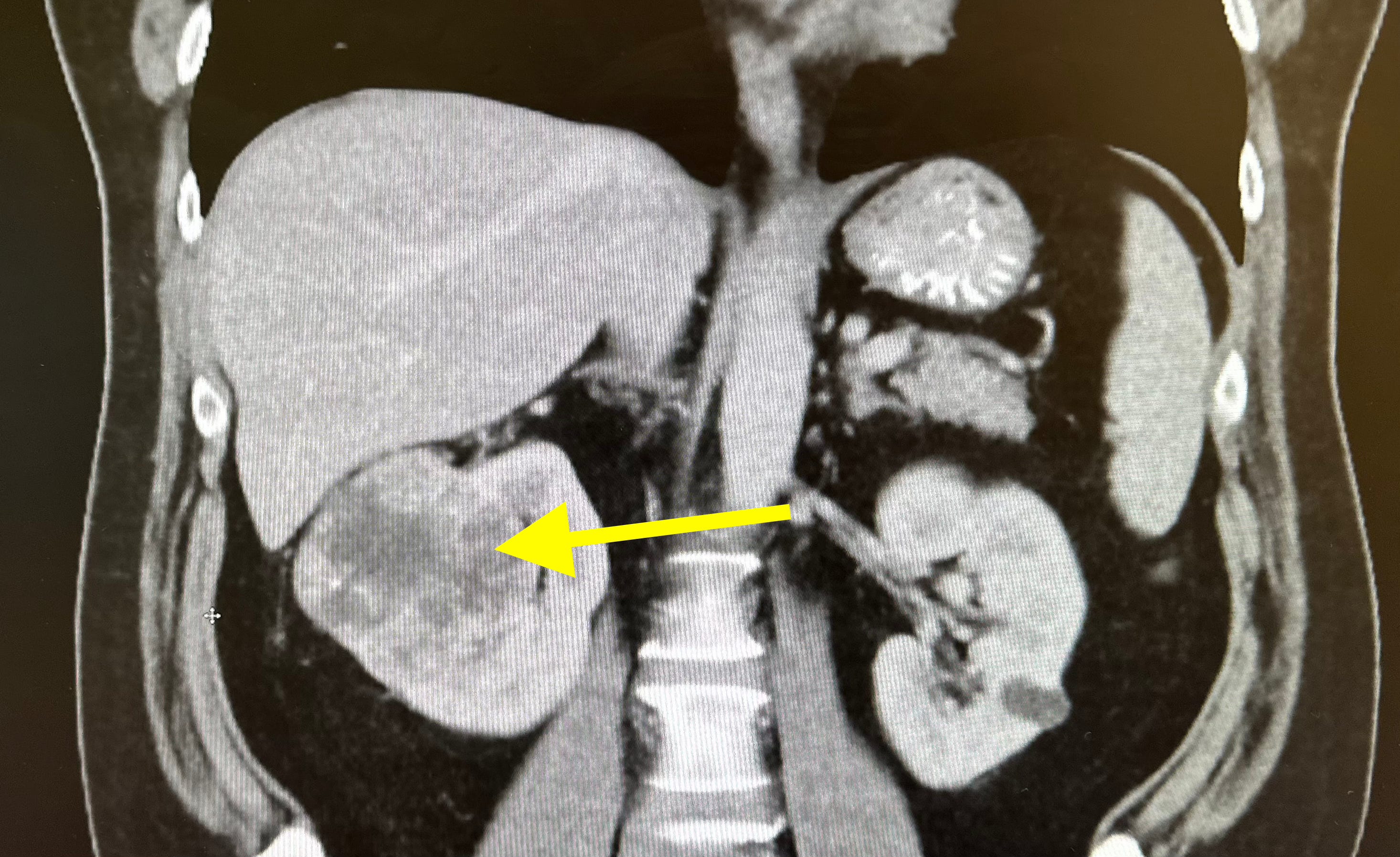
Diagnosed in April, I’ve been undergoing treatment for months now, including radiation, chemo, and the first of what may become multiple major surgeries. I tell my audience this not to illicit sympathy, but rather for the sole purpose of establishing credibility. And I need credibility to say what I’m going to say next. Here it is:
My insurance company is trying to kill me. Here’s what that looks like:
In early May, once my diagnosis had been confirmed and I learned the severity of the disease I am now facing, the time came to create a treatment plan. One of the components of that plan included doing a form of DNA testing on the tumors that were growing in my body. Doing this allows the doctors to match specific genetic markers in each tumor to the drugs that we know have the greatest success against them.
My insurance company is presently denying the claim filed to pay for this critical testing, instead sending me a bill for $9,650.00. And I have stacks of similar bills, all of them in one stage or another of the endless claim denial system. Most if not all of them will eventually be paid by my insurance company. But the profit is in the delays, and every insurer knows this.
In the time it takes to go through the revolving door denial system, many things can happen that increase profit for my insurance company. If I believe the denial, I may just pay the claim myself rather than fight back. And even if I do fight back, the company gets to pay this bill much later. Now, paying later is still paying, or at least that’s what an insurance executive might say. But the reality behind it is much less complicated. Simply put, if delays are long enough and routine enough, then at least some patients like me will die. And since I now cost my insurance provider much more than the premiums I pay them, they have an interest in my death. And the quicker I die, the better it is for them. It’s just that simple.
But getting mad at an American business for making money is like getting mad at a hammer for hitting a nail. It’s just what it does. The fault is not in the business model, but rather in the legislative and cultural environment that allows profit to exist in places where it simply does not belong. America’s health insurance system is one that only survives if it manages to take as much money as possible from customers while at the same time spending as little as possible on their care. Patient death, once thought to be a negative, has become just another creative avenue to cut costs and increase profits rather than an outcome the system is designed to prevent.

For healthcare insurance companies, death is often good. Quick death is even better. And this model is the same one that exists in our education and criminal justice systems, which is why the rise of for-profit entities in each coincide with a decline in US literacy rates and a massive increase in the number of incarcerated people on US soil. Maximum profit. Minimal cost. Business, after all, is just business.
We have been living with this insanity for so long now that for most Americans, it has just become the norm. People die every day due to the denial of care mandated by these business models and the whims of the executives that create them, and even when healthcare CEOs are gunned down in the street, the system itself doesn’t even blink, much less change.
I don’t condone violence, but I can tell you this: The next time an insurance company CEO takes a bullet for his crimes, the shooter is going to claim self-defense at trial.
And I know very few people who would vote to convict.
Brett Pransky is a writer, a teacher, a father, and a husband, but rarely in that order. He spends his days amplifying the voices of freedom and democracy as an Editor right here at The Political Voices Network, and he spends his nights trying to fix the world one clever sentence at a time.


Brett, from my family to yours, love and best wishes. Thank you for your honest conviction of doing and sharing what it's like to try, doing, the right thing, everyday. You are a great example of what a good person is. Thank you to Rick for introducing you to us. If people like Rick and yourself were in charge, the world would be a way better place than it is nowadays. Sir, thank you for your service and dedication to humanity, Sir!
That’s America and capitalism for you.